How Textured Art Helped Me Heal Through PTSD (And Why We Need to Talk About Mental Health More)
There was a time in my life where I felt completely disconnected from myself.
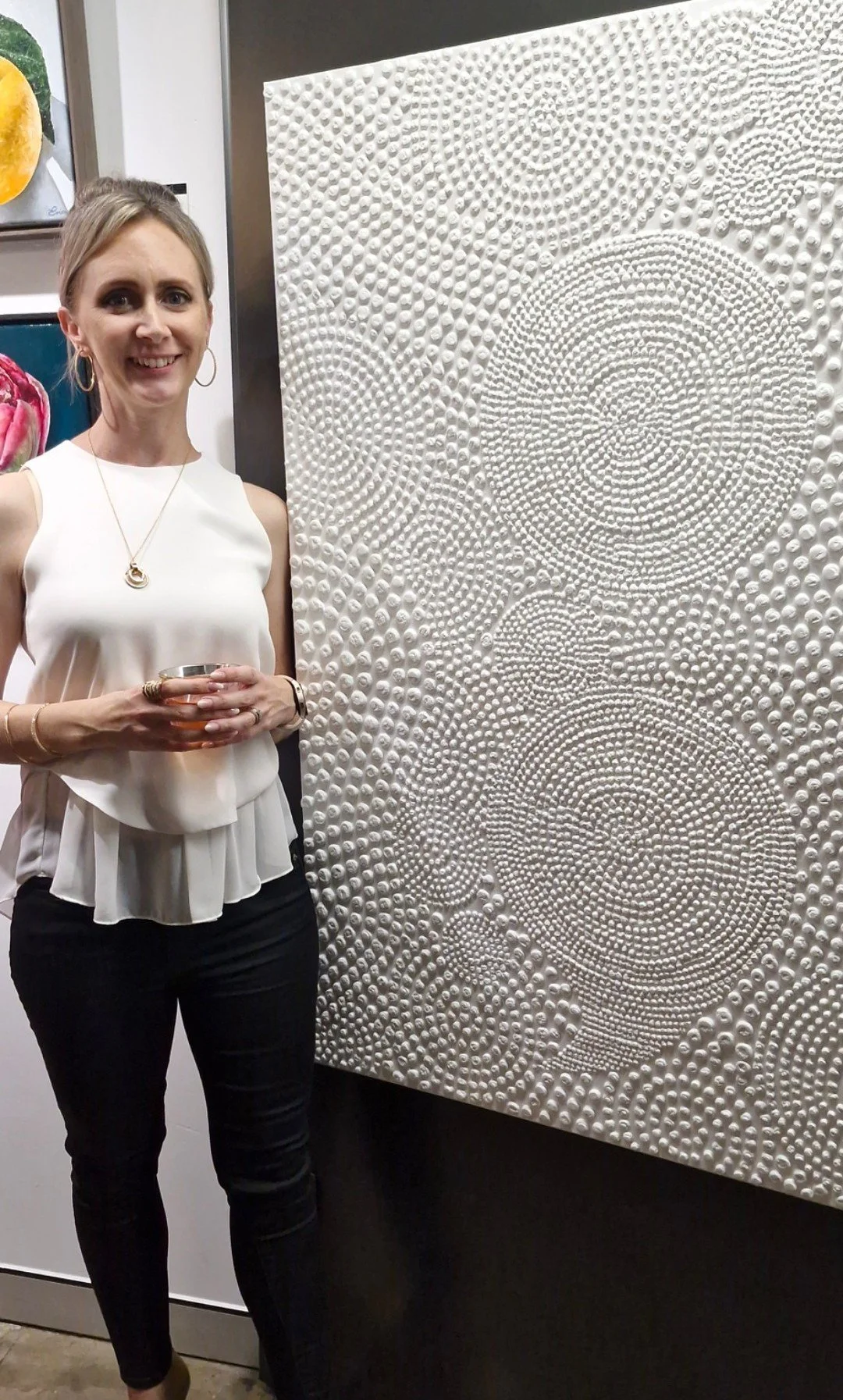
On the outside, I looked like I was functioning. But internally, I was exhausted, overwhelmed, anxious, and quietly struggling in ways I didn’t fully understand yet. After spending nearly two decades in the Queensland Police Service, I experienced a workplace incident that eventually led to a diagnosis of PTSD.
And honestly? That diagnosis changed everything.
At first, I felt lost. Like the version of myself I knew had disappeared somewhere beneath the stress, hypervigilance, exhaustion, and emotional weight I had been carrying for years. I didn’t know how to slow down. I didn’t know how to process what I was feeling. And I certainly didn’t expect that something as simple as textured art would become part of my healing journey.
But it did.
And it saved me in more ways than I can explain.
When Your Mind Feels Loud, Creativity Creates Quiet
One of the hardest things about PTSD is that your nervous system rarely feels at rest. Even during moments that should feel calm, your mind can stay stuck in survival mode.
For me, textured art became one of the first things that genuinely helped quiet the noise.
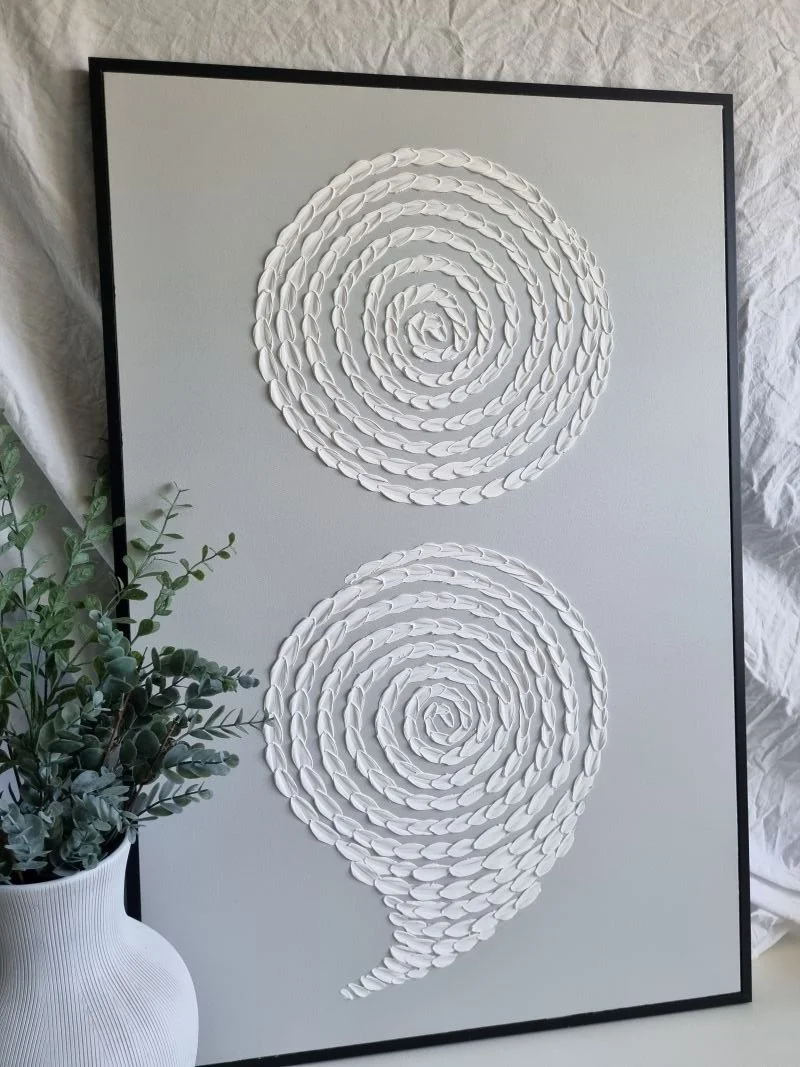
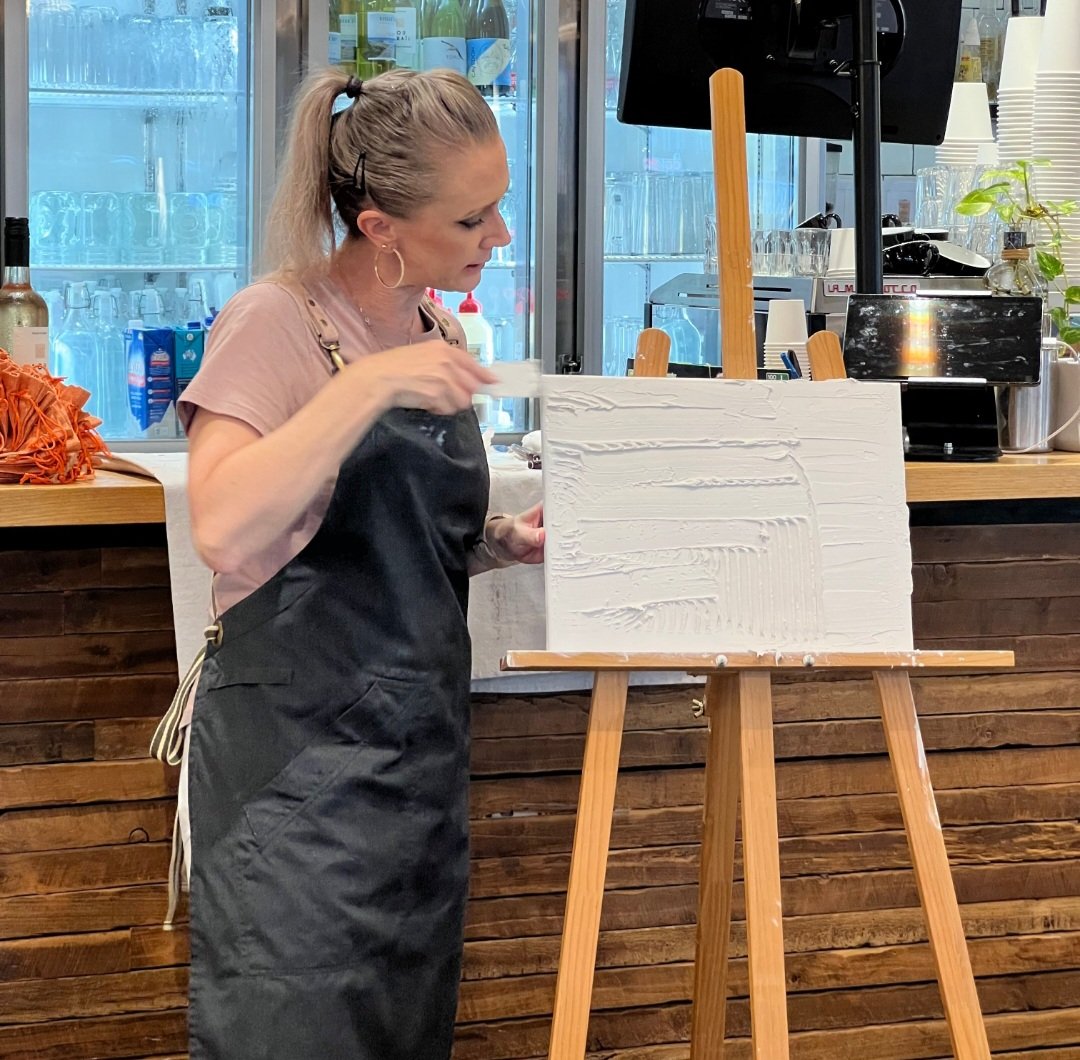
There was something deeply therapeutic about working with my hands. Mixing paste. Spreading texture across a canvas. Creating movement and layers with a palette knife. It forced me to slow down and focus on what was right in front of me instead of replaying everything happening inside my head.
For the first time in a long time, I felt present.
That’s the thing about creative therapy. It gives your brain somewhere else to go. Somewhere softer. Somewhere safer.
Textured Art Became More Than a Hobby
What started as a creative outlet quickly became something much bigger.
Textured art gave me:
A sense of calm
A way to express emotions without needing words
A reason to reconnect with myself
Confidence I thought I’d lost
Space to breathe
And slowly, piece by piece, canvas by canvas, I began rebuilding parts of myself that trauma had chipped away at.
I know so many women carry stress, anxiety, burnout, or emotional heaviness silently while continuing to show up for everyone else. That’s why I’m so passionate about helping others discover creativity too. Not because art has to be perfect or profitable, but because creativity can be healing.
Sometimes we don’t need fixing. We just need somewhere safe to release, process, and reconnect.
Why Talking About Mental Health Matters
For a long time, mental health was something people whispered about quietly. Especially in high-pressure careers where strength was expected at all times.
But the truth is, staying silent helps no one.
The more openly we talk about mental health, PTSD, anxiety, burnout, and emotional wellbeing, the more we create space for others to feel less alone. Healing often begins with honesty.
I think one of the most powerful things we can do is simply say:
“I struggled too.”
Not for sympathy. Not for attention. But because vulnerability creates connection.
You never know who needs permission to speak up because they saw you do it first.
Creativity Builds Connection
One of the most unexpected parts of starting Tipsy Textures has been watching how creativity brings people together.
Women arrive at workshops saying:
“I’m not creative.”
“I haven’t done anything for myself in years.”
“I just needed to get out of the house.”
“My mental health has been awful lately.”
And by the end of the session, something shifts.
There’s laughter. Conversation. Pride. Calm. Connection.
It’s never just about the artwork.
It’s about giving yourself permission to pause. To create. To feel joy again. To reconnect with parts of yourself that life may have buried under responsibility, stress, or survival mode.
Healing Doesn’t Always Look the Way You Expect
Healing isn’t linear. And it doesn’t always come through big breakthrough moments.
Sometimes healing looks like:
Sitting quietly with a canvas
Learning something new
Laughing with strangers
Letting yourself create badly before creating beautifully
Choosing joy even when life has felt heavy
For me, textured art became a form of mindfulness I didn’t know I needed. It gave me purpose during one of the darkest periods of my life and eventually grew into a business built around creativity, connection, and mental wellbeing.
And if sharing my story helps even one person feel seen, then it’s worth telling.
Conclusion
Mental health struggles can feel incredibly isolating, but you are never alone in them. Whether you’re navigating PTSD, anxiety, burnout, or simply feeling disconnected from yourself, creativity can become a powerful tool for healing.
You don’t need to be artistic. You don’t need to be “good” at art. You just need a willingness to begin.
For me, textured art wasn’t just paint and plaster on a canvas. It became hope. Calm. Purpose. Connection.
And maybe, for someone reading this, it could become that too.
If you’re looking for a creative escape, a mindful outlet, or simply a safe space to reconnect with yourself, explore one of our Tipsy Textures workshops or online courses. Sometimes healing begins with something as simple as creating with your hands.